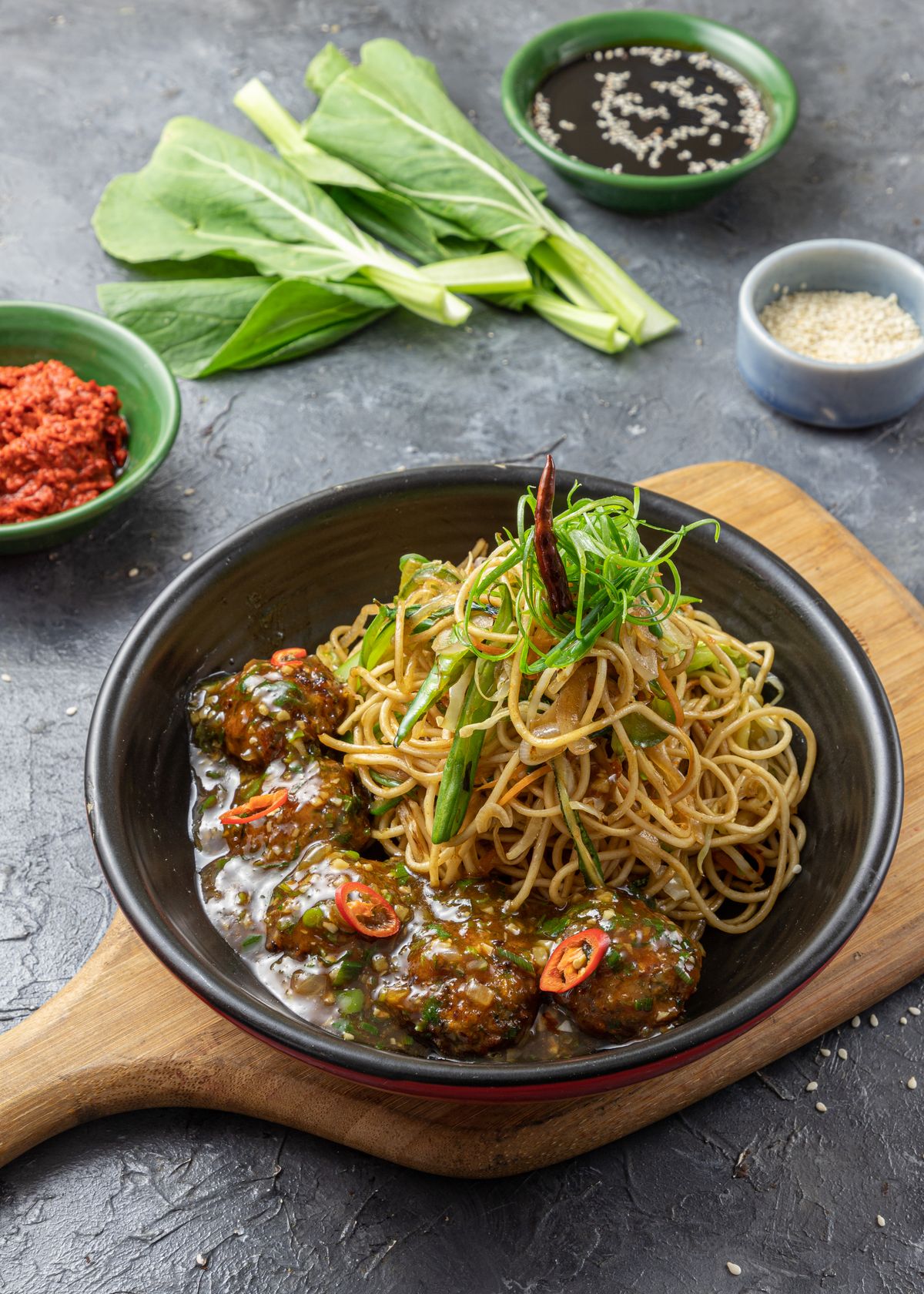
Forget everything you think you know about westernized takeout boxes. Authentic Chinese cuisine is a massive, highly complex, and deeply historical landscape. Exploring the top 10 food to test in China is an exhilarating sensory journey, offering everything from mouth-numbing chilies to delicate, sweet steamed buns.
1. The Philosophy of Chinese Cuisine
In China, food is much more than mere sustenance; it is a fundamental pillar of the culture, history, and even traditional medicine. Locals do not view Chinese food as a single entity. Instead, the country's culinary map is divided into the "Eight Great Traditions" (including Sichuan, Cantonese, and Shandong cuisines), each boasting completely unique flavor profiles and cooking techniques.
Authentic Chinese dining revolves around harmony. A properly designed meal seeks a perfect balance of colors, textures, and the five fundamental flavors: salty, spicy, sour, sweet, and bitter. Meals are intensely communal, designed to bring families and friends together around a shared table.
2. North vs. South: A Tale of Two Tastes
Before diving into specific dishes, it is highly beneficial to understand China's primary geographical food divide, which is dictated by the climate and staple crops.
- The Wheat-Loving North: In regions like Beijing and Xi'an, the cold and dry climate is perfect for growing wheat. As a result, Northern cuisine is dominated by hearty, warming foods like thick hand-pulled noodles, steamed buns (Baozi), and dense, savory dumplings.
- The Rice-Loving South: The warm, humid climate of the South (such as Guangdong and Shanghai) is ideal for rice paddies. Southern food tends to be lighter, sweeter, and relies heavily on fresh seafood, rice noodles, and delicate stir-frying techniques.
3. The Top 10 Foods You Must Taste in China
If you truly want to experience the vibrant gastronomy of the Middle Kingdom, you must step out of your comfort zone. Here is the curated grid of the legendary dishes you absolutely must taste during your travels.
Peking Duck (Beijing Kaoya)
Historically reserved for the Emperor’s court, this Beijing specialty features roasted duck with shatteringly crisp skin and tender meat. It is traditionally sliced table-side and wrapped in thin pancakes with hoisin sauce and spring onions.
Xiaolongbao (Soup Dumplings)
A culinary miracle from Shanghai. These delicate steamed dumplings contain a savory pork filling and a rich, hot broth inside the wrapper. Bite a small hole to sip the soup first, then dip the dumpling in black vinegar.
Sichuan Hot Pot (Huoguo)
An incredibly social and spicy dining experience. Diners sit around a bubbling vat of chili-oil broth laced with mouth-numbing Sichuan peppercorns, cooking raw meats, fresh lotus root, and tofu right at the table.
Dim Sum (Dian Xin)
A beloved morning tradition in Guangdong and Hong Kong. Dim Sum involves ordering a variety of bite-sized foods—like Har Gow (shrimp dumplings) and fluffy BBQ pork buns—served fresh in small bamboo steamer baskets.
Mapo Tofu
A soul-warming Sichuan classic. It features soft, silken tofu set in a bright red, fiery sauce made from fermented broad bean paste (doubanjiang), chili oil, and minced pork. Eaten over a bowl of white rice, it is pure comfort.
Roujiamo (Chinese Hamburger)
Often considered one of the world's oldest sandwiches, this street food staple from Xi'an consists of melt-in-your-mouth, slow-braised pork belly chopped with mild peppers and stuffed inside a crispy, pan-baked flatbread.
Char Siu (Barbecue Pork)
A masterpiece of Cantonese roasting. Slices of pork are marinated in a blend of honey, five-spice powder, and hoisin sauce, then roasted until the outside develops a beautiful, sticky, and slightly charred glaze.
Biang Biang Noodles
Named after the slapping sound the dough makes against the counter, these thick, hand-pulled, belt-like noodles originate from Shaanxi. They are typically served smothered in garlic and hot chili oil.
Jianbing (Chinese Crepe)
The ultimate savory Chinese breakfast. Street vendors spread a thin batter over a hot grill, crack an egg over it, and fold in scallions, a savory soybean paste, and a crispy fried cracker for an incredibly satisfying crunch.
Tanghulu (Candied Hawthorn)
A vibrant red street food dessert popular in Northern China. It consists of tart Chinese hawthorn berries skewered on a bamboo stick and coated in a hard, crackly sugar syrup, offering the perfect balance of sweet and sour.
4. Chopsticks and Culture: Dining Etiquette
Enjoying the food is only half the experience; respecting the dining culture is equally important. In China, dishes are almost always shared, placed in the center of the table or on a spinning "Lazy Susan."
When using chopsticks, remember a few golden rules: never stick them vertically into a bowl of rice, as it resembles incense burned for the deceased. Never use them to point at others. Also, if a host continuously places food on your plate, it is a gesture of deep hospitality. Leaving a tiny morsel of food on your plate at the end of the meal politely signals to the host that they have provided more than enough to satisfy you.
5. Conclusion: Be Adventurous with Your Palate
Traveling to China offers an unparalleled opportunity to reset your understanding of Asian cuisine. The spices are bolder, the ingredients are incredibly fresh, and the culinary history spans thousands of years.
To truly appreciate the top 10 foods to test in China, you must be willing to step off the beaten path. Skip the familiar hotel buffets and venture into the bustling night markets, follow the crowds to busy local noodle shops, and do not be afraid to point at menus you cannot read. The resulting flavors will be the highlight of your trip.