
⚽
Football (Soccer)
The Undisputed King
1. Football (Soccer)
Football is the undisputed king of European sports. From local village pitches to legendary arenas like Wembley and Camp Nou, the sport is a central part of European life. Domestic leagues like the English Premier League and Spanish La Liga attract billions of global viewers, while the UEFA Champions League and European Championships stand as the absolute pinnacles of club and international competition.
🏀
Basketball
Southern & Eastern Europe Strongholds
2. Basketball
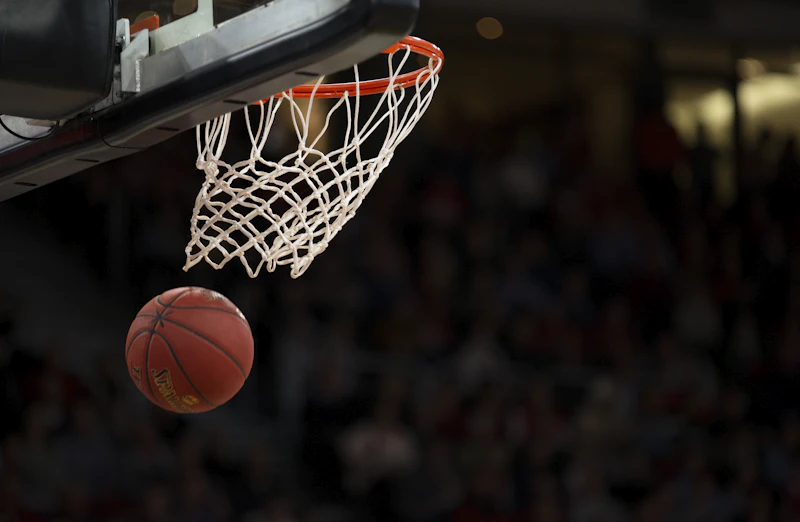
Basketball has massive popularity across Europe, with particularly deep roots in Southern, Central, and Eastern regions. Leagues such as the EuroLeague feature intense atmosphere and elite talent. Countries like Spain, France, Lithuania, Serbia, and Greece have highly successful national programs and produce many of the top superstars playing in the NBA today.

🎾
Tennis
Prestige & Grand Slams
3. Tennis
Tennis boasts prestigious roots and massive individual participation throughout Europe. The continent hosts two of the world's iconic Grand Slam tournaments: Wimbledon in London and Roland Garros (The French Open) in Paris. European players have historically dominated the world rankings, supported by top-tier indoor and clay court academies across Spain, France, and Italy.

🏎️
Motorsports
High-Speed Legacy
4. Motorsports (Formula 1 & MotoGP)
Europe is the heart and soul of global motorsport development and fandom. Most Formula 1 teams are based in Europe, which is home to historic races like Monaco, Silverstone, Spa-Francorchamps, and Monza. Iconic European manufacturers like Ferrari, Mercedes, and Aston Martin drive a multi-billion-dollar culture followed by hundreds of millions of passionate fans.

🚴
Cycling
Grand Tours & Road Racing
5. Cycling
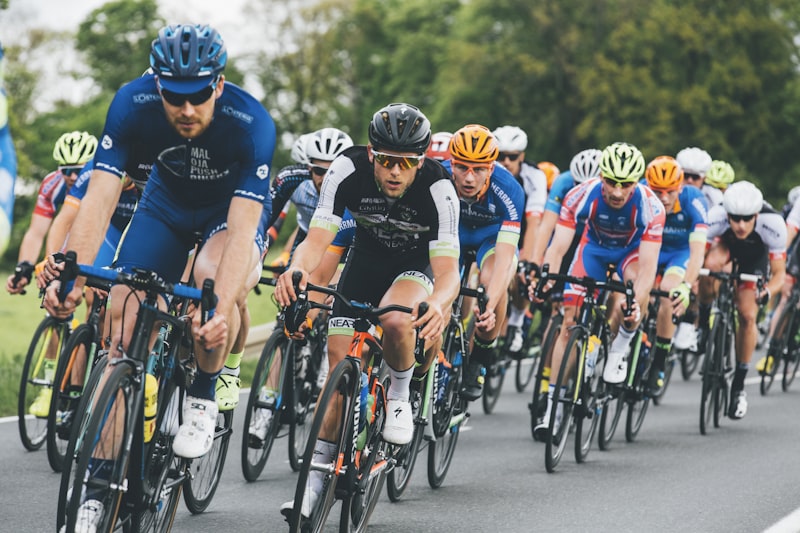
More than just a standard mode of transport, cycling is a massively followed professional and recreational sport. Europe plays host to the "Grand Tours"—the legendary Tour de France, Giro d'Italia, and Vuelta a España—drawing massive roadside spectator crowds and television viewership. Additionally, countries like Belgium, the Netherlands, and Denmark maintain world-class road cycling cultures.
🏉
Rugby Union & League
Six Nations Tradition
6. Rugby (Union & League)
Rugby has a powerful footprint across Western Europe, particularly in England, Wales, Scotland, Ireland, France, and parts of Northern Italy. The annual **Six Nations Championship** is one of the most celebrated and watched international tournaments in the sporting world, known for intense rivalries and deep-rooted respect on the pitch.

🏒
Ice Hockey
Northern & Eastern Dominance
7. Ice Hockey
Ice hockey reigns supreme in colder European nations. In countries like Sweden, Finland, Czechia, and Switzerland, it is either the primary sport or sits closely behind football in popularity. Domestic leagues across these nations are highly competitive, and the IIHF World Championships are major television events drawing millions of viewers.
🤾
Handball
Central & Northern Europe Pride
8. Handball
While rarely played outside Europe, handball is an absolute powerhouse of an indoor sport within the continent. Popular in Germany, France, Denmark, Sweden, and Spain, matches are played in packed arenas with high-tempo, physically demanding gameplay. The EHF Champions League regularly draws massive spectator turnouts.

🏏
Cricket
Historic Commonwealth Appeal
9. Cricket
Dating back to the 16th century in England, cricket holds historical prestige. It serves as a major summer sport in the United Kingdom and maintains strong followings in Ireland and the Netherlands. The sport’s international matches, particularly the legendary Ashes series, command huge media coverage and historical rivalry.

⛳
Golf
Traditional & Prestigious Club Sport
10. Golf
Originating in Scotland, golf is deeply rooted in European leisure and professional competition. The continent boasts legendary courses and is home to the DP World Tour. Furthermore, the biennial **Ryder Cup**—which pits a unified Team Europe against Team USA—stands as one of the most intense and patriotic events in global sports.
Frequently Asked Questions
What is the most popular sport in Europe?
Football (soccer) is overwhelmingly the most popular sport across Europe in terms of both participation and television viewership. It is considered a cornerstone of European culture.
Which countries in Europe prefer sports other than football?
While football dominates overall, certain countries favor other sports. For instance, ice hockey is the favorite in Finland, while basketball is the most popular sport in Lithuania.
Why is handball so popular in Europe compared to other regions?
Europe developed modern indoor handball rules, and robust club infrastructure has kept it popular. The sport is fully integrated into school curricula across Northern and Central Europe, fueling high local participation.